Employee monitoring and digital privacy are facing strict new limits. The California legislature recently passed several bills that dictate how businesses can track workers and website visitors. For California employers, these changes bring a mix of heavy new compliance burdens and some welcome relief from predatory lawsuits.
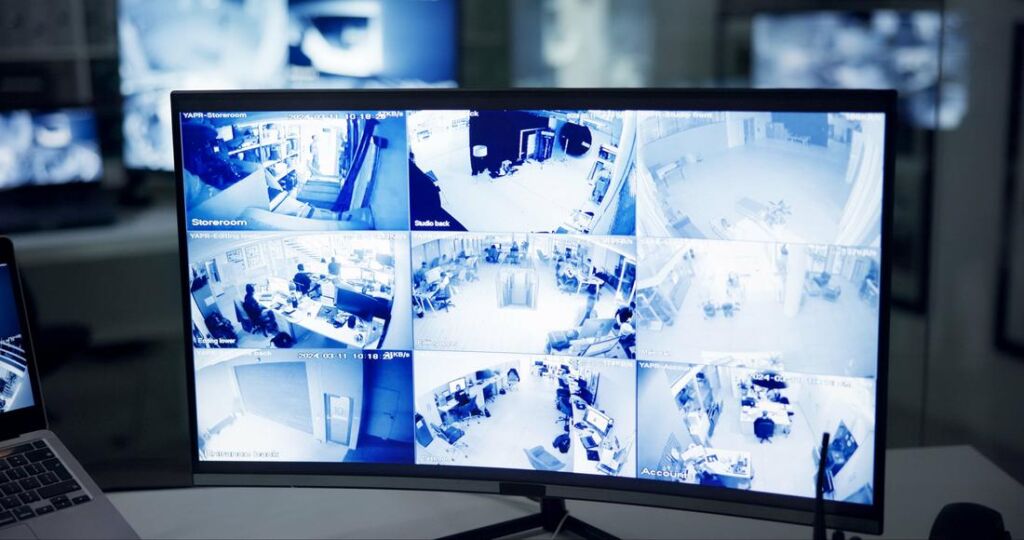
AB 1331 and AB 1883: New Limits on Employee Monitoring Corporate surveillance is getting pushed out of private spaces and off the clock. Assembly Bill 1331 strictly bans the use of workplace surveillance tools in bathrooms. This includes audio, video, time tracking, and geolocation systems. The bill also grants employees the specific right to leave monitoring devices behind when entering these spaces. More problematically for businesses, AB 1331 requires employers to disable surveillance tools during an employee’s off-duty hours. This requirement creates obvious friction with standard corporate cybersecurity measures and asset protection protocols.
Assembly Bill 1883 targets the cutting edge of workplace technology. This bill prohibits employers from using artificial intelligence to predict a worker’s emotional state. It also bans the collection of neural data. California is moving away from a simple notice and consent model for privacy and is now completely banning certain types of employee monitoring.

SB 690: Relief from Website Tracking Lawsuits While the legislature created new hurdles for employee tracking, it offered businesses a major lifeline regarding consumer privacy litigation. In recent years, plaintiffs’ attorneys have filed thousands of lawsuits claiming standard website analytics and session replay tools violate the California Invasion of Privacy Act, or CIPA.
Senate Bill 690 provides direct relief. The bill retroactively eliminates the private right of action for online tracking claims brought under CIPA’s pen register and trap and trace provisions. Enforcement power for those specific violations now belongs exclusively to the California Attorney General. Because this rule applies retroactively to pending claims, it gives defense attorneys immediate leverage to get existing lawsuits dismissed.
Businesses cannot let their guard down entirely. SB 690 is a narrow fix. It leaves CIPA’s wiretapping provision completely untouched. Plaintiffs are already shifting their tactics and repackaging their website tracking claims as wiretapping violations. Your corporate website must still maintain highly visible consent mechanisms to defeat future lawsuits.
Defending Your Operations California employers face a constant battle against evolving regulations and aggressive litigation. Nowland Law provides premier legal services for business disputes. We evaluate your current systems, enforce your legal rights, and implement strategies that get predatory complaints thrown out completely.
Whether you need to audit your employee monitoring tools or defend against a CIPA lawsuit, Nowland Law has the experience required to protect your company. Contact our Newport Beach office at 949-221-0005 for a free initial consultation.