
Current Status
Assembly Bill 1883 is currently pending in the Assembly Committee on Labor and Employment. The bill has undergone amendments but continues to advance as part of a broader legislative push to strictly regulate employer data collection and workplace privacy.
Employment Litigator Comments
AB 1883 is viewed by defense litigators as a legal minefield due to its aggressive enforcement mechanisms. The statute imposes a civil penalty of $500 for each violation. Litigators warn that because this penalty applies per violation (and potentially per employee), it creates a lucrative incentive for plaintiffs’ attorneys to file massive class-action lawsuits or Private Attorneys General Act (PAGA) claims challenging standard corporate security protocols, such as biometric timeclocks or security cameras.
Business Community Comments
The business community, particularly the retail and warehousing sectors, strongly opposes AB 1883. Employers argue that banning technologies like facial recognition removes a critical, modern tool for combating the explosion of organized retail theft and protecting the physical safety of frontline workers. Furthermore, businesses argue that the definitions within the bill are overly broad and threaten to outlaw standard mobile device management software and basic physical security infrastructure used to protect intellectual property and trade secrets.
Nuts and Bolts of the Requirements
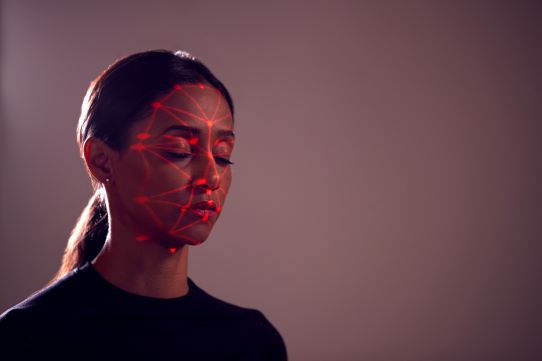
The bill explicitly prohibits an employer from using a workplace surveillance tool that incorporates facial recognition, gait recognition, or emotion recognition technology. It also bans the use of “neural data collection”. Furthermore, it strictly prohibits employers from using any surveillance tool to identify, profile, or infer an employee’s protected status (such as religion, disability, or veteran status) or to monitor workers engaging in legally protected activities.
Compliance Guidance
To prepare for this legislation, IT and security departments must immediately map and audit all data collection tools deployed across their physical and digital infrastructure. If enacted, employers will be forced to physically remove or disable any security cameras or software that utilize prohibited biometric or emotional recognition tracking, ensuring that their systems only record standard visual or audio data without algorithmic profiling.
Why You Need to Work With a Business Attorney Because of This Bill
If this bill passes, a business attorney will be vital to ensure your physical and digital security apparatus does not trigger catastrophic statutory penalties. Counsel can help prepare your business by systematically reviewing all vendor contracts for security systems, timekeeping software, and loss-prevention tools to guarantee they do not utilize banned technologies. An attorney can also help draft clear, compliant privacy policies that clearly articulate the limits of your company’s data collection, protecting you from invasive PAGA claims regarding worker surveillance.

